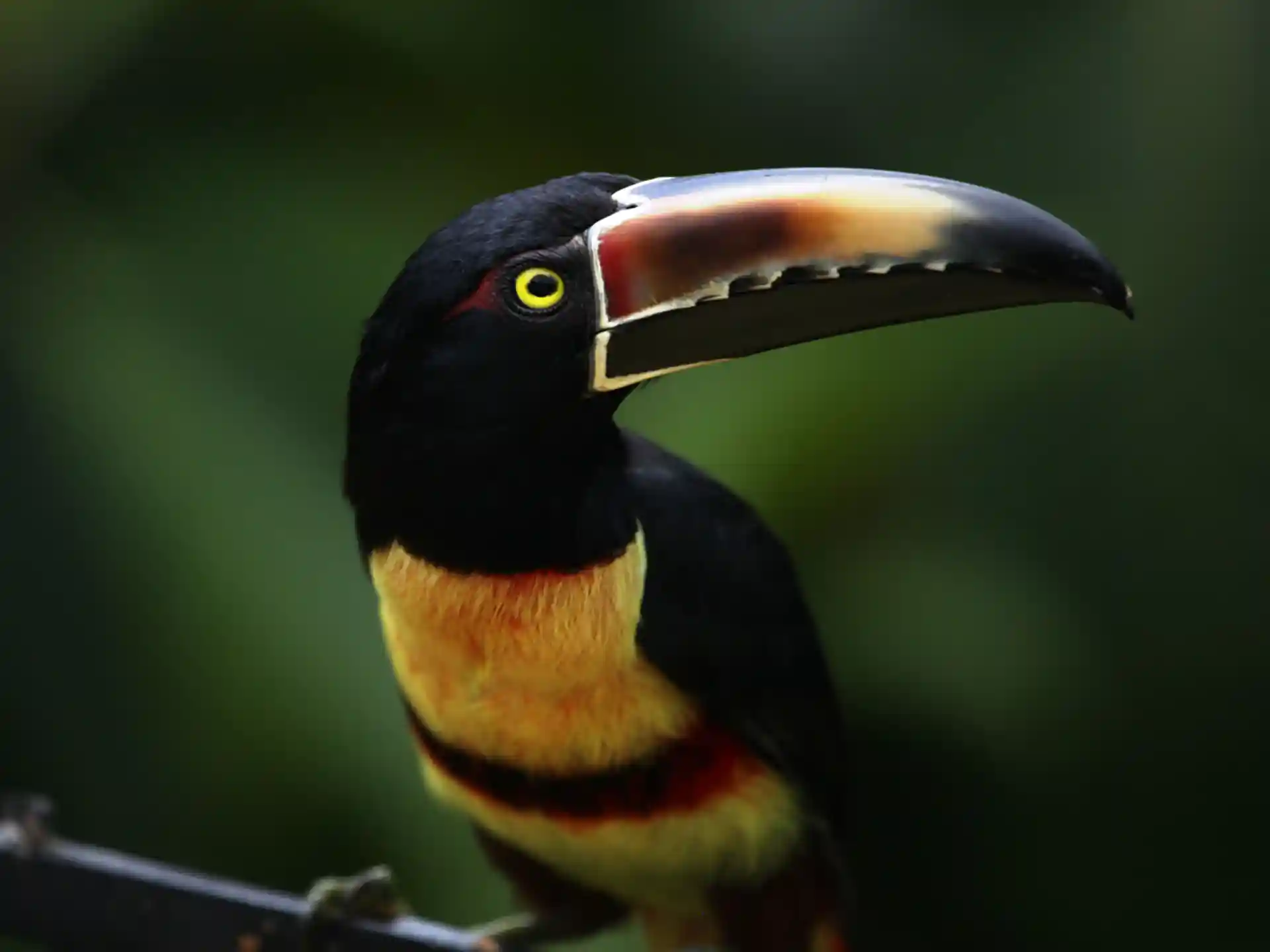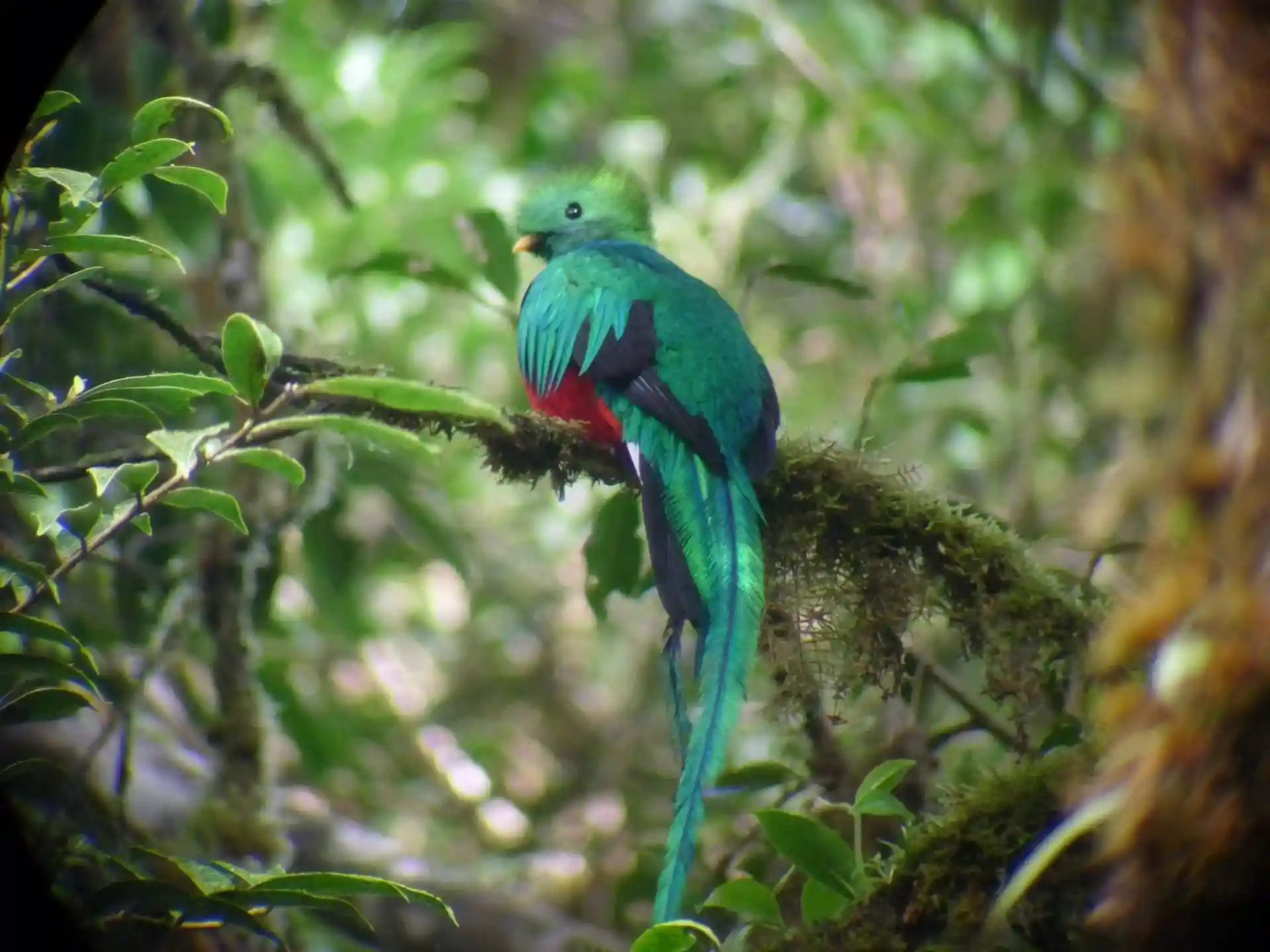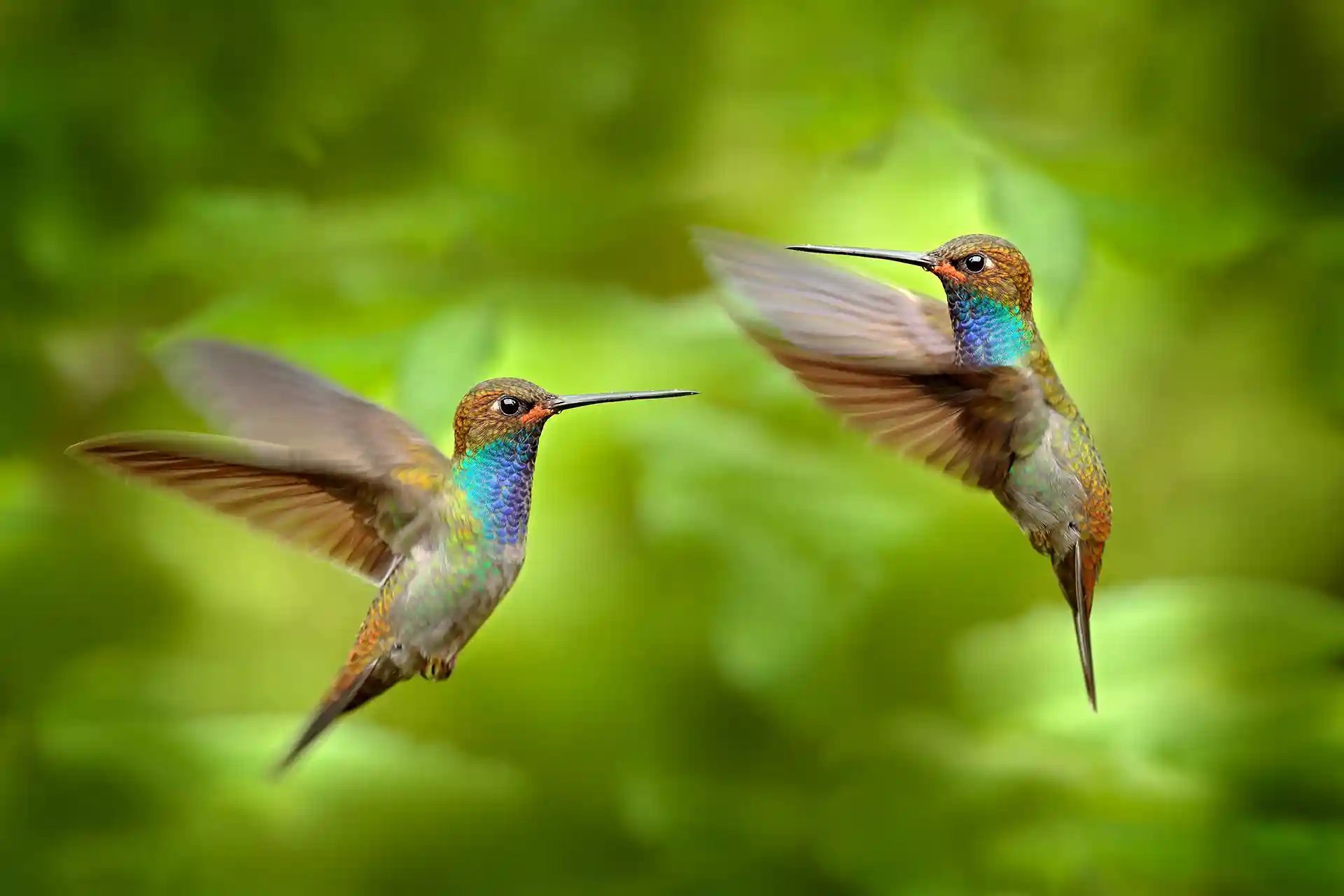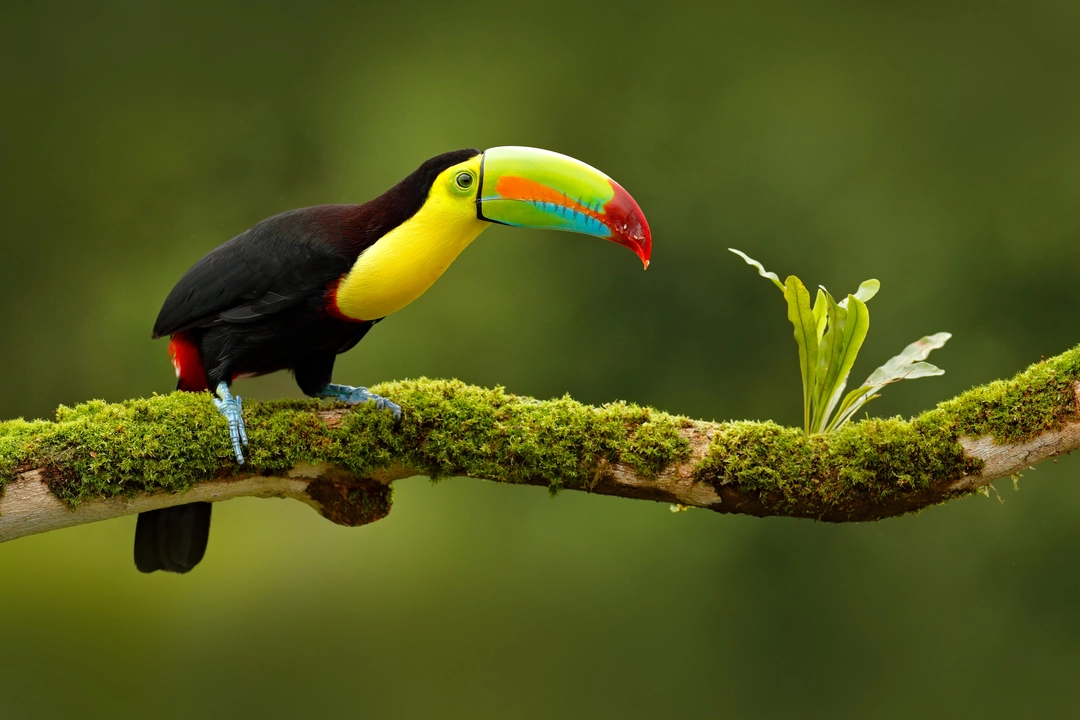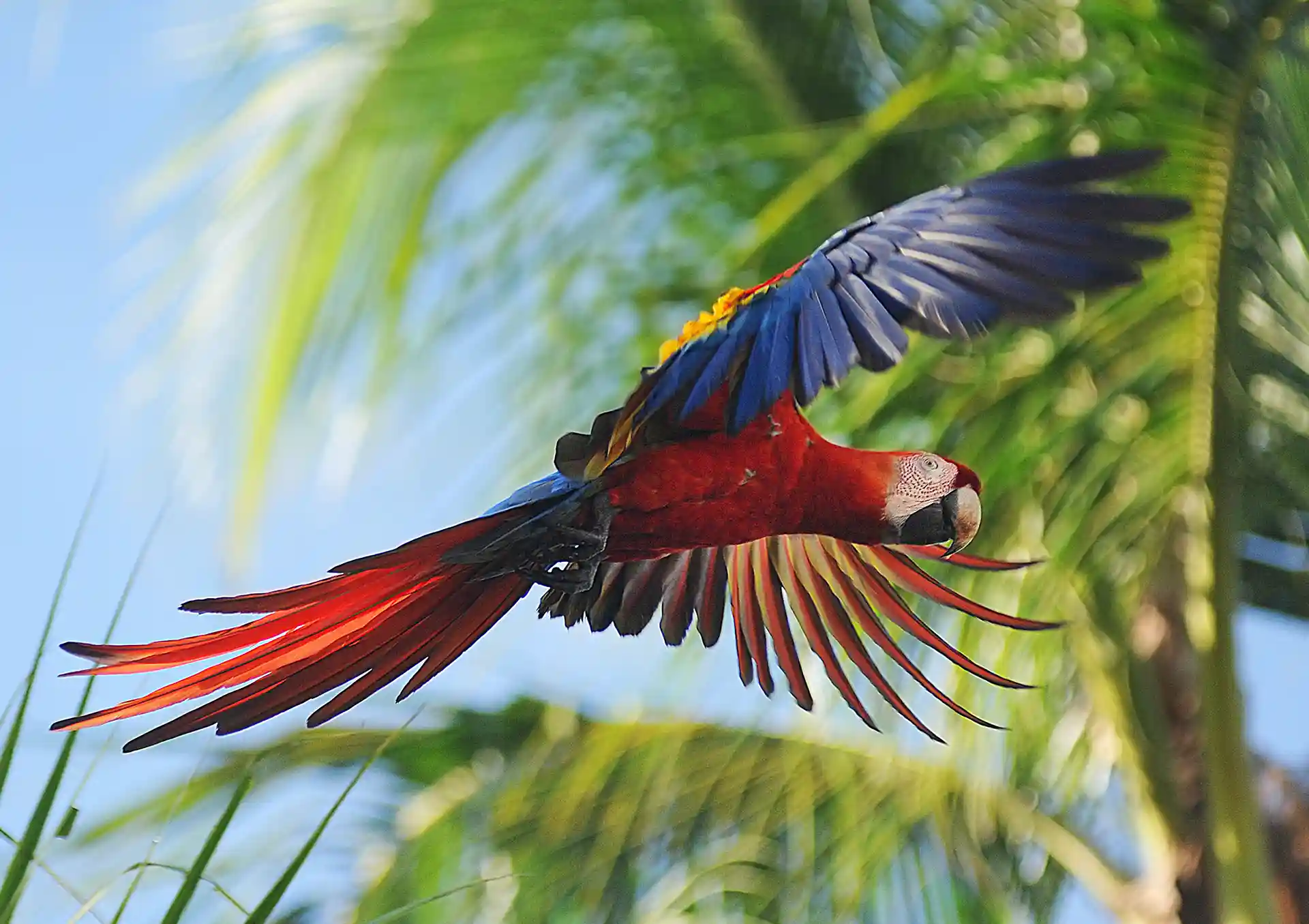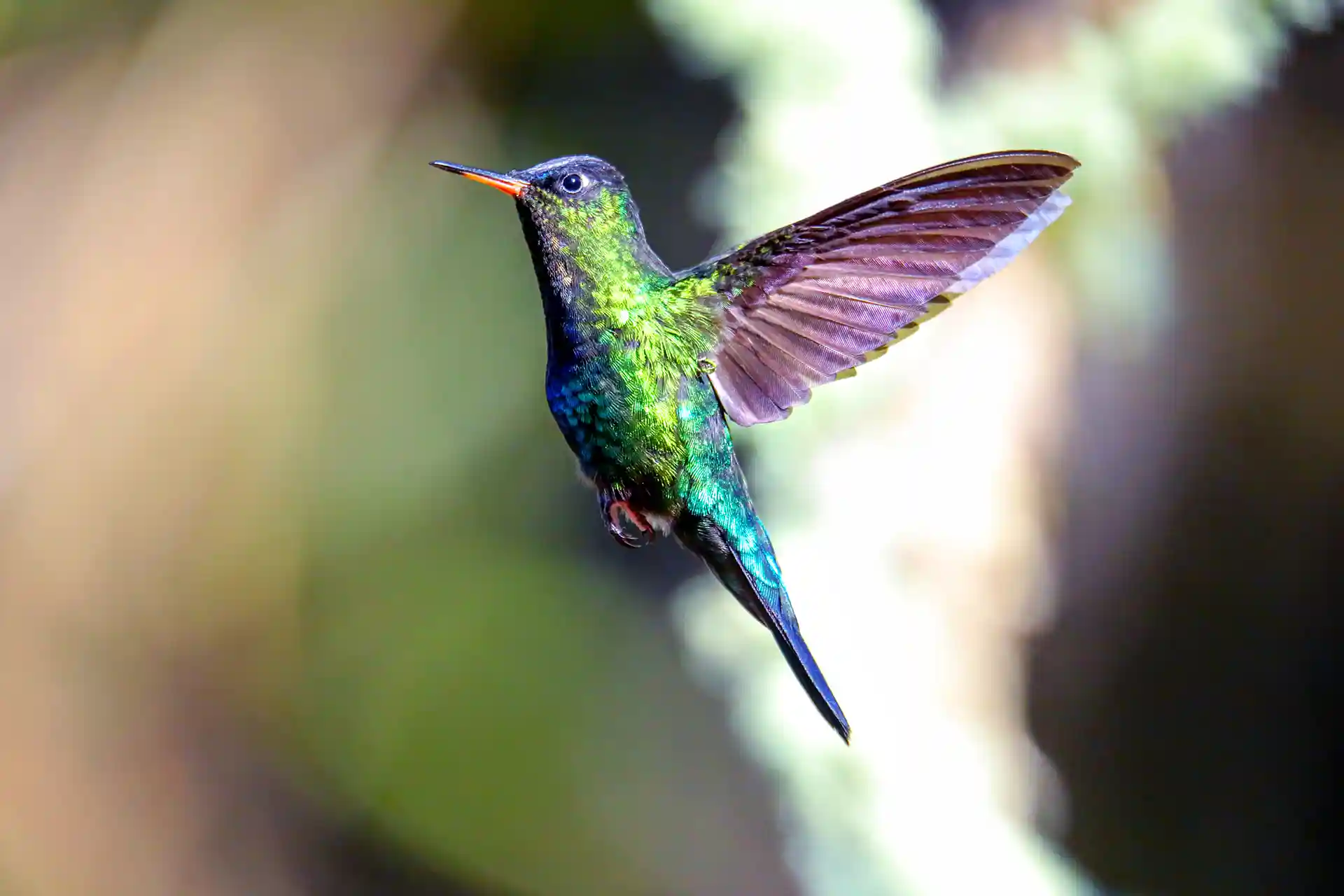
Costa Rica is a bird-watching haven, boasting over 850 species in an area the size of West Virginia, surpassing the bird counts of the United States and Canada combined. With 12 of the world’s 18 life zones, its diverse climates, from volcanoes to rolling hills, contribute to the vast species variety. Iconic birds like toucans, scarlet macaws, motmots, and the Quetzal can be spotted, with up to 150 species observable in a single day. The nation’s varied ecosystems, from the Nicoya Peninsula’s dry tropics to the Caribbean Coast’s humid lowlands, offer unparalleled bird-watching prospects.
Costa Rica’s rich ecosystems make it a bird-watcher’s paradise. From rainforests to wetlands, there are amazing spots to see a variety of colorful birds, throughout the country. However, here are some of the top places for it:
Monteverde Cloud Forest Reserve:
Tortuguero National Park:
Corcovado National Park:
Arenal Volcano National Park:
La Selva Biological Station:
Bird watching in Costa Rica offers a unique opportunity to observe a rich variety of bird species in their natural habitats. Whether you are an experienced birder or just starting out, here are some tips to enhance your bird watching experienc
1. Research and Plan: Before your trip, research the different bird species found in Costa Rica and learn about their habits and preferred locations. This will help you narrow down the places you want to visit for optimal sightings.
2. Hire a Local Guide: Consider hiring a local guide who is knowledgeable about the region’s birds. They can take you to prime spots and help identify various species based on their calls, behavior, and appearance. Contact us and we’ll help with this!
3. Be Patient: Bird watching requires patience as birds may not always appear instantly or stay in one spot for too long. Take your time, be still, and allow yourself to blend into nature while observing their activities.
4. Use Binoculars: Invest in a good pair of binoculars with clear optics for better close-up views of distant birds. Practice using them before your trip so that you’re comfortable adjusting focus quickly when needed.
5. Dress Appropriately: Wear muted colors like greens or browns to camouflage yourself within the surroundings without alarming the birds away. Avoid wearing bright clothing or excessive accessories that may scare off shy species.
6. Respect Wildlife: Remember that you are entering these creatures’ natural habitats; thus it’s crucial to respect their space by keeping noise levels low and refraining from disturbing nests or feeding areas.
7. Get Up Early: The best time for bird watching is usually early morning when many species are most active searching for food.
By following these tips, you’ll have an unforgettable bird-watching adventure while respecting nature’s delicate balance—a truly rewarding experience amidst Costa Rica’s incredible biodiversity!
Do you want more tips? Contact us and we’ll be happy to help you plan your birdwatching adventure, without any extra cost.
Costa Rica’s diverse ecosystems and abundance of avian species make it a popular destination for bird watching enthusiasts.
Monteverde Cloud Forest Reserve, Tortuguero National Park, Corcovado National Park, Arenal Volcano National Park, and La Selva Biological Station are among the best places for bird watching in Costa Rica.
Costa Rica is home to a wide variety of birds, including the resplendent quetzal, scarlet macaw, waterbirds, and various species found in cloud forests.
The dry season from December to April is generally considered the best time for bird watching in Costa Rica due to increased bird activity. However, different species have unique migration patterns and behaviors.
Essentials for a bird watching trip to Costa Rica include binoculars, a field guide, camera with a telephoto lens, comfortable clothing, insect repellent, snacks, water, hat, sunscreen, and rain gear.
Tips for successful bird watching in Costa Rica include research and planning, patience and observation, using binoculars, dressing appropriately, respecting wildlife, and starting early in the morning.
Bird watching in Costa Rica is unique due to the country’s incredible biodiversity, variety of habitats, and the opportunity to observe rare and exotic bird species in their natural environments.