Costa Rica is a land of incredible volcanic landscapes, full of sights that will leave you in awe. Whether you’re an adventure seeker or a nature lover, there’s something truly special about exploring these fiery giants. From the iconic Arenal Volcano to the breathtaking Poás Volcano, each spot offers unique beauty and unforgettable experiences. It’s a place where you can truly feel the power of nature up close.
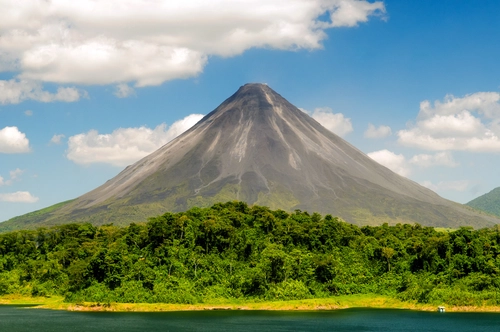
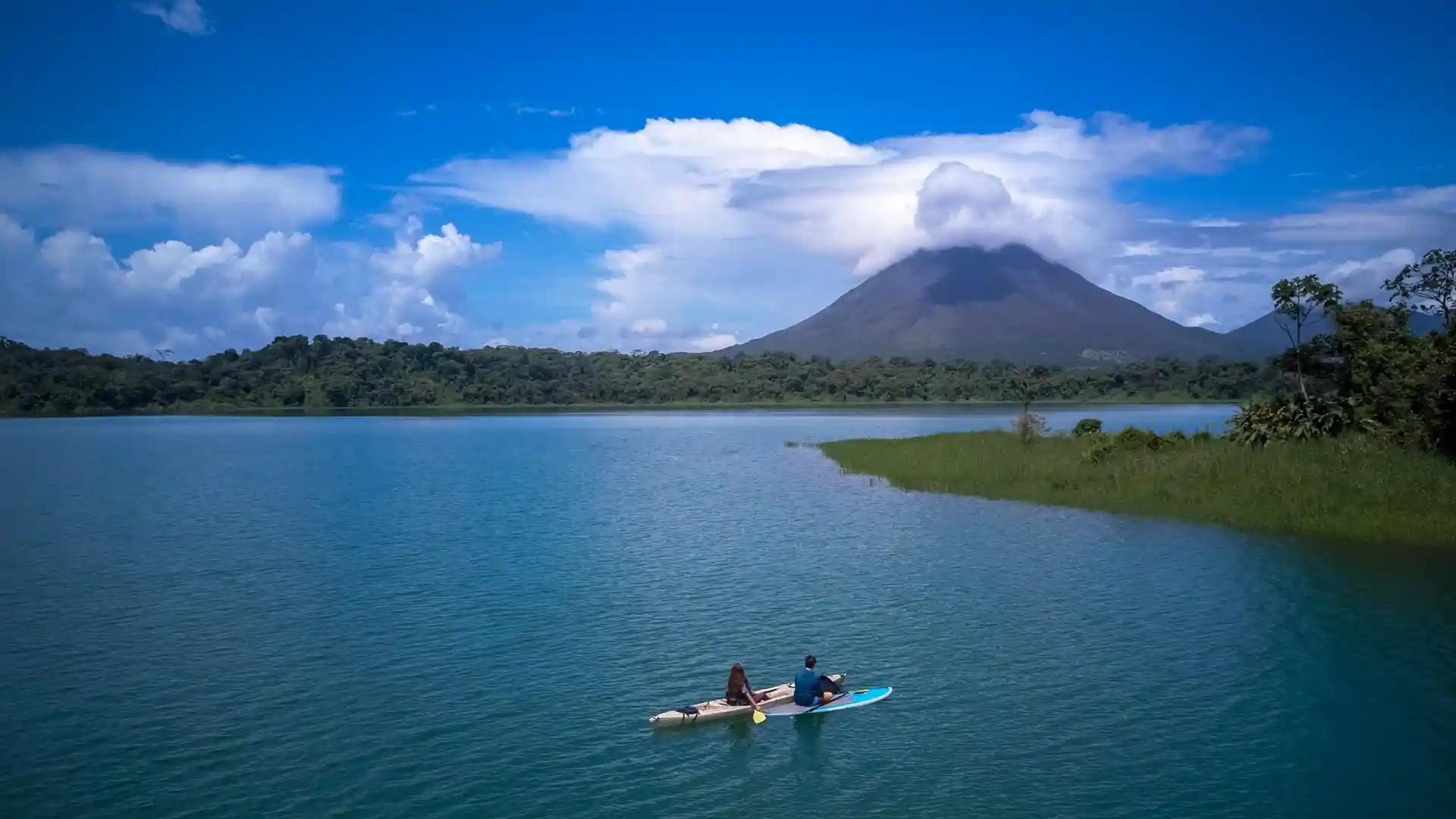
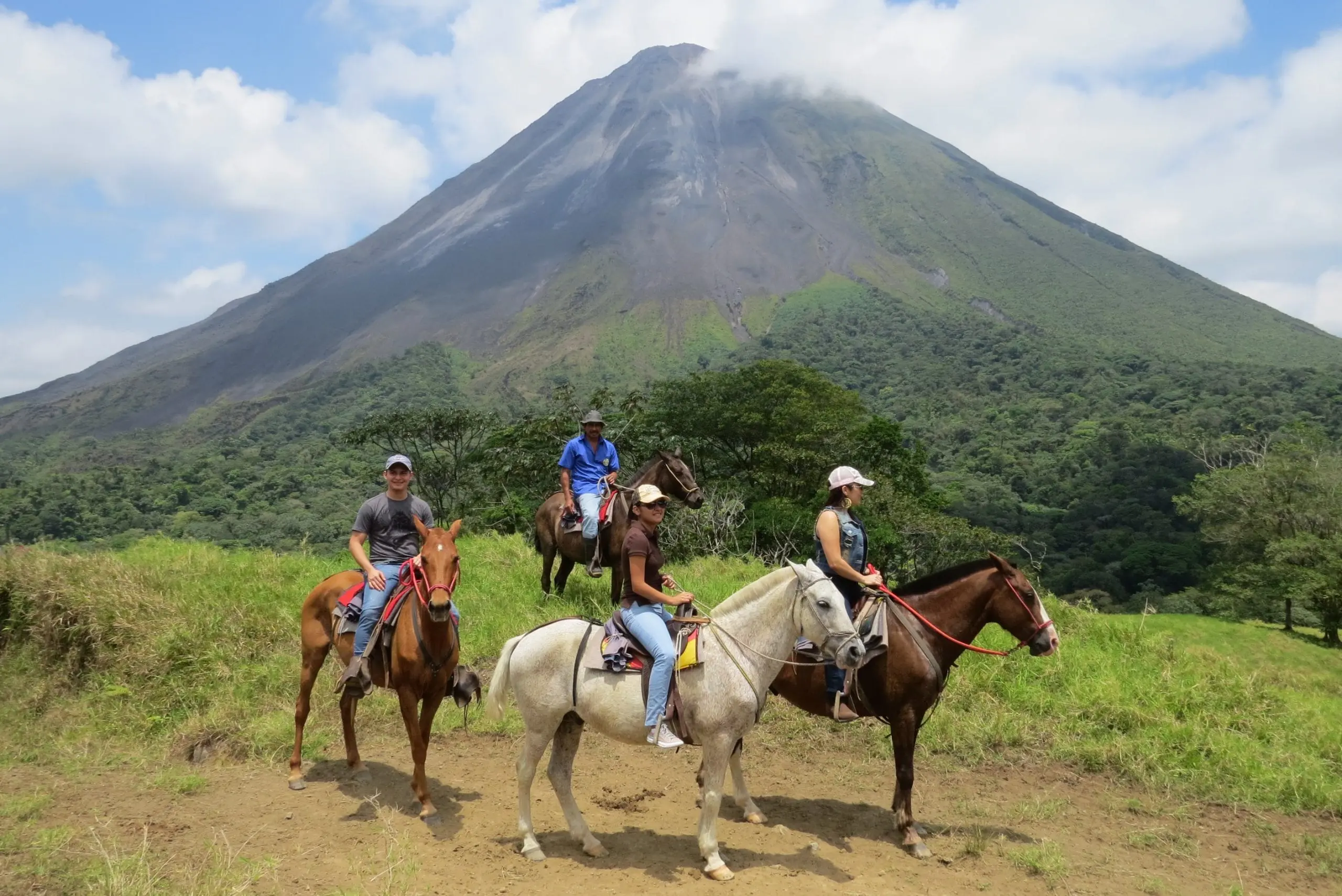
One of the top destinations for volcano enthusiasts is the iconic Arenal Volcano. Rising majestically above the surrounding rainforests and the city of La Fortuna, Arenal provides a mesmerizing view of a perfectly conical volcano. From 1968 to 2010, Arenal Volcano was characterized by continuous lava flows and hot rock emissions. However, in 2010, this activity abruptly ceased, leading Arenal into a dormant state where it has remained since.
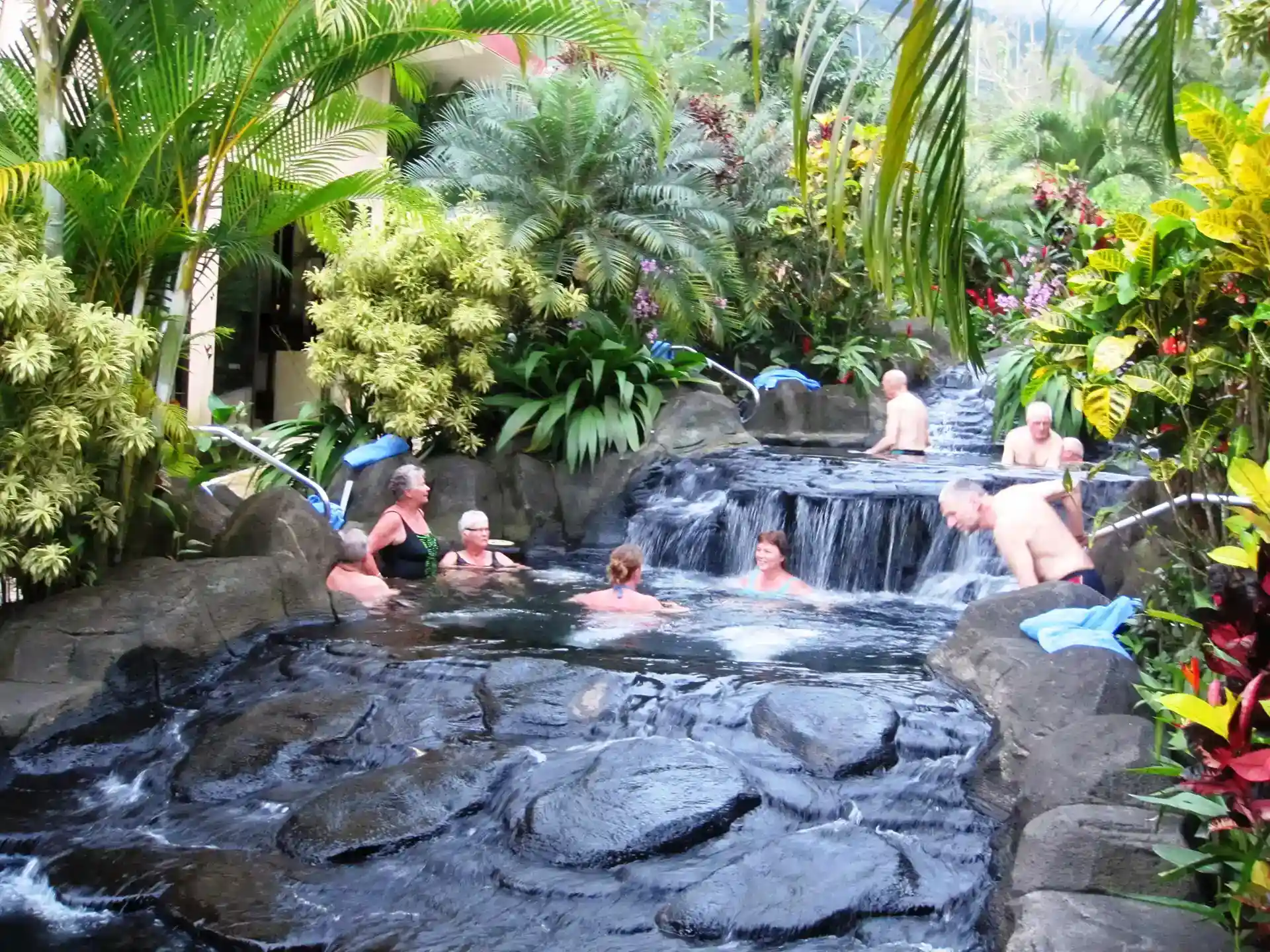
Trekking through the lush trails surrounding the volcano offers a chance to witness its mighty presence up close. Additionally, you can indulge in soothing hot springs near Arenal, immersing yourself in warm mineral-rich waters while enjoying panoramic views of the volcano.
The Turrialba Volcano showcases a different aspect of Costa Rica’s volcanic wonders. Though its summit is restricted due to ongoing volcanic activity, the surrounding national park offers trails that lead through scenic cloud forests and captivating views of the volcanic peak. This surrounding park attracts fewer visitors compared to others in the country, offering more rustic and challenging trails. This area is renowned for its rich birdlife, making it a paradise for birdwatchers seeking to spot various avian species.
Trekking through the lush trails surrounding the volcano offers a chance to witness its mighty presence up close. Additionally, you can indulge in soothing hot springs near Arenal, immersing yourself in warm mineral-rich waters while enjoying panoramic views of the volcano.
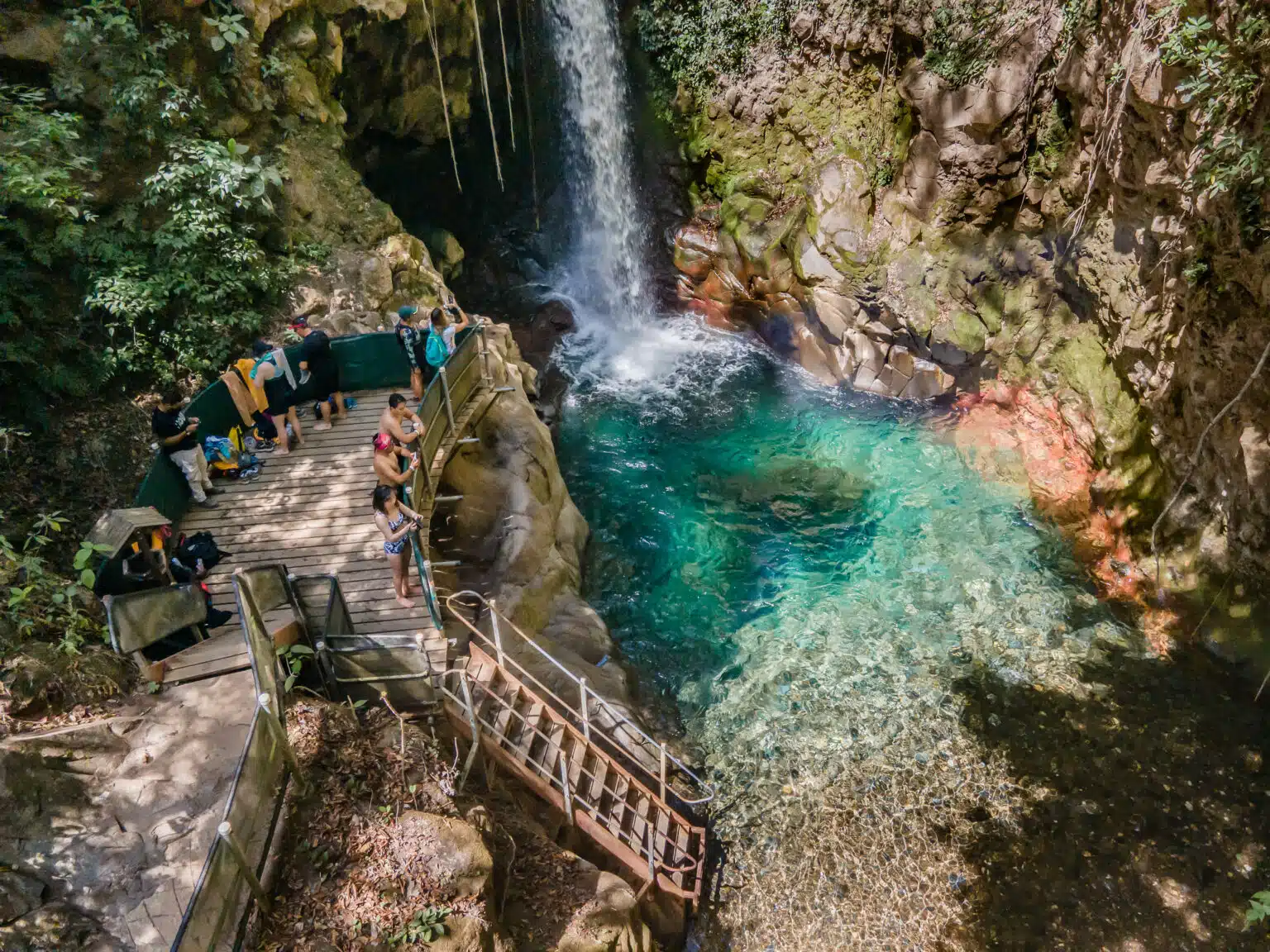
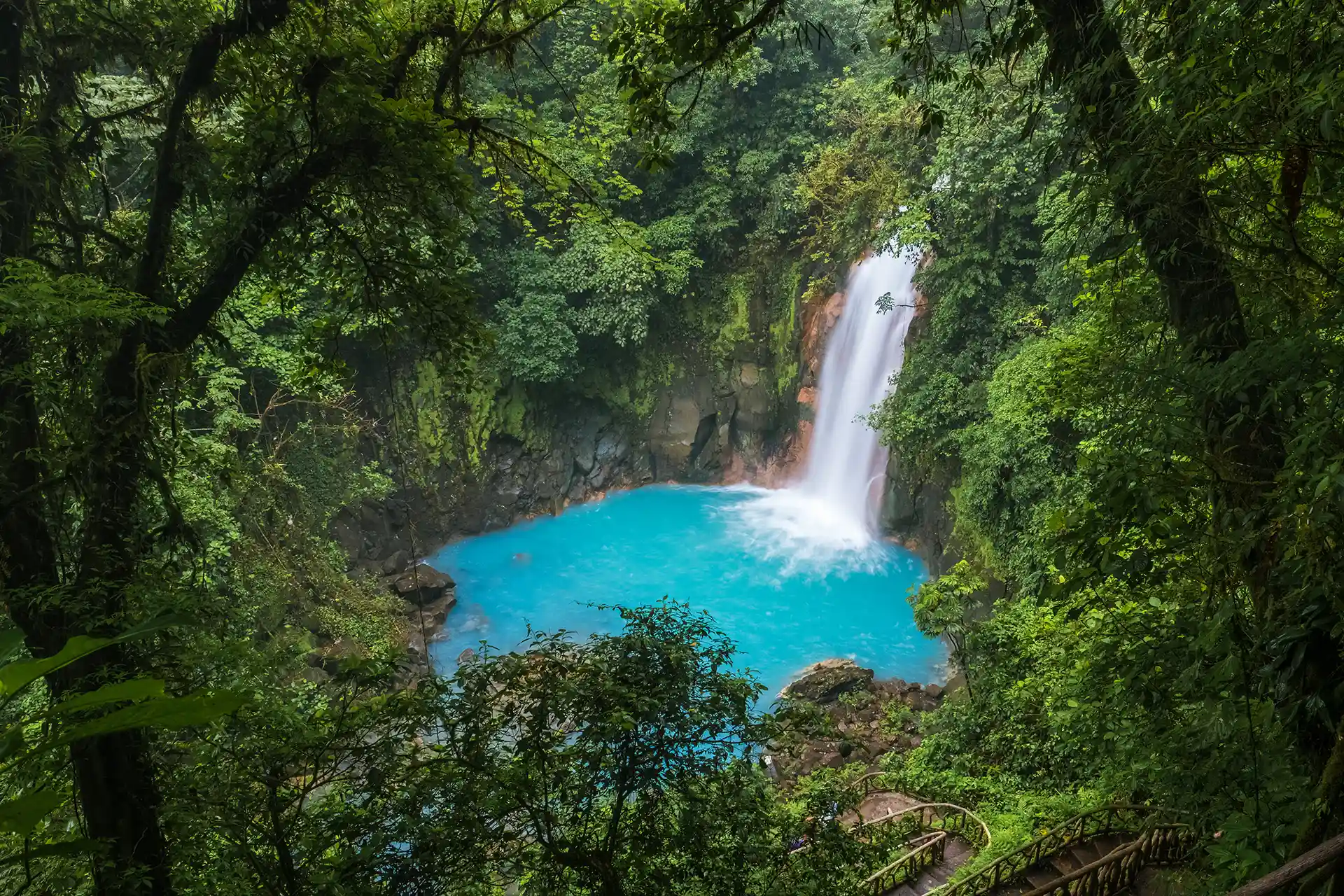
For a unique experience, head to Rincón de la Vieja Volcano, located in the namesake national park. This active volcano offers not only spectacular views but also the chance to explore volcanic phenomena such as fumaroles and bubbling mud pots. The park’s more than 40 kilometers (25 miles) trails lead you through fascinating landscapes of steam vents and pristine waterfalls, immersing you in the volcanic wonders and the rich biodiversity that thrives in this unique environment.
Trekking through the lush trails surrounding the volcano offers a chance to witness its mighty presence up close. Additionally, you can indulge in soothing hot springs near Arenal, immersing yourself in warm mineral-rich waters while enjoying panoramic views of the volcano.
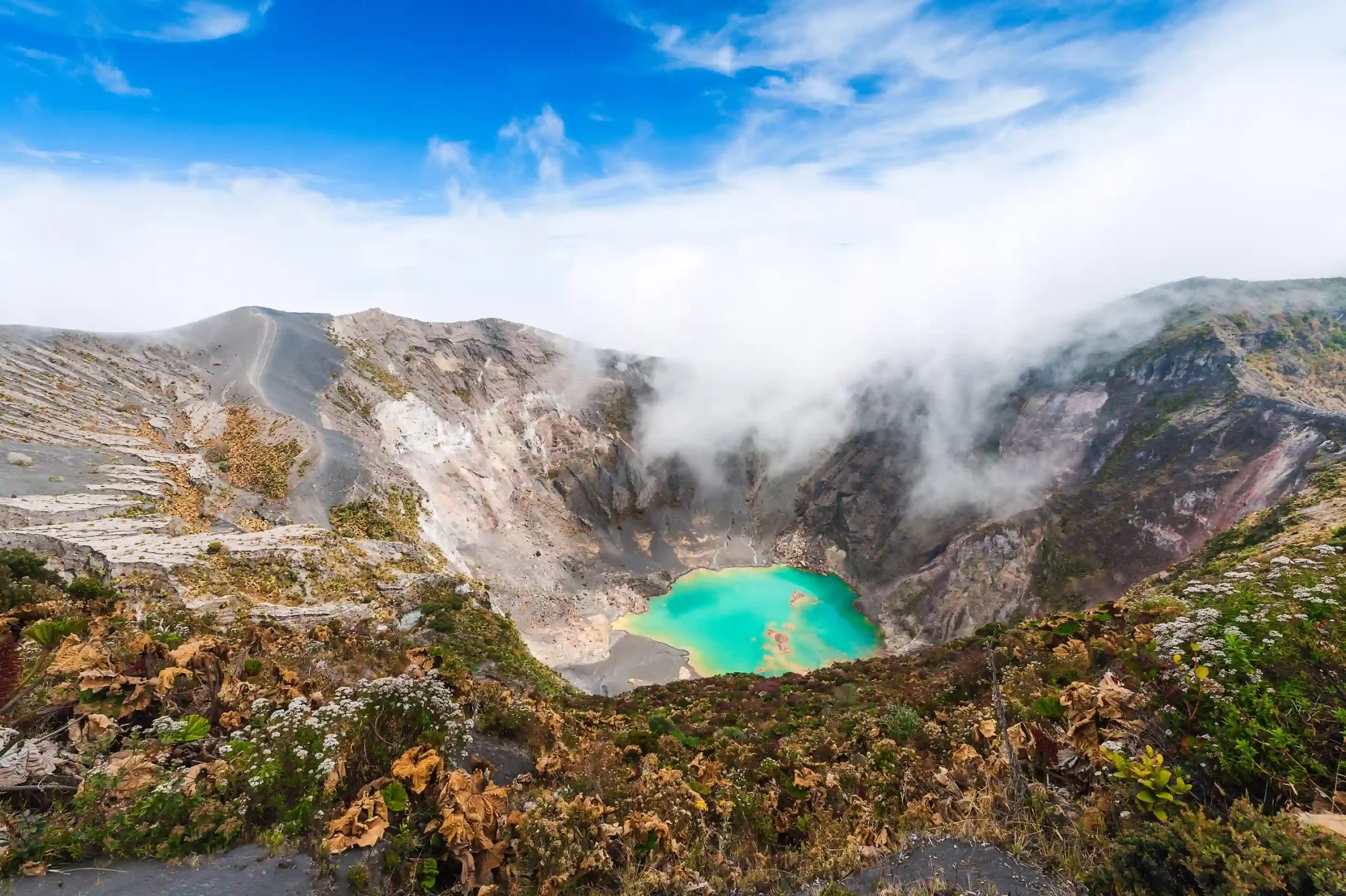
Irazú Volcano is the tallest volcano in Costa Rica, stretching 3,432 meters (11,260 feet) above sea level. It it situated in Irazú National Parkm 14 km (8.7 miles) northeast of Cartago.
Visitors are rewarded with stunning panoramic views from its summit. On clear days, you can witness the breathtaking sight of both the Caribbean and Pacific coasts from this vantage point. The volcano’s immense crater, adorned with a greenish-yellow acid lake, creates a captivating contrast against the surrounding landscapes. The journey to the summit offers an unforgettable experience as you traverse through otherworldly landscapes of volcanic ash and lush vegetation.
Trekking through the lush trails surrounding the volcano offers a chance to witness its mighty presence up close. Additionally, you can indulge in soothing hot springs near Arenal, immersing yourself in warm mineral-rich waters while enjoying panoramic views of the volcano.
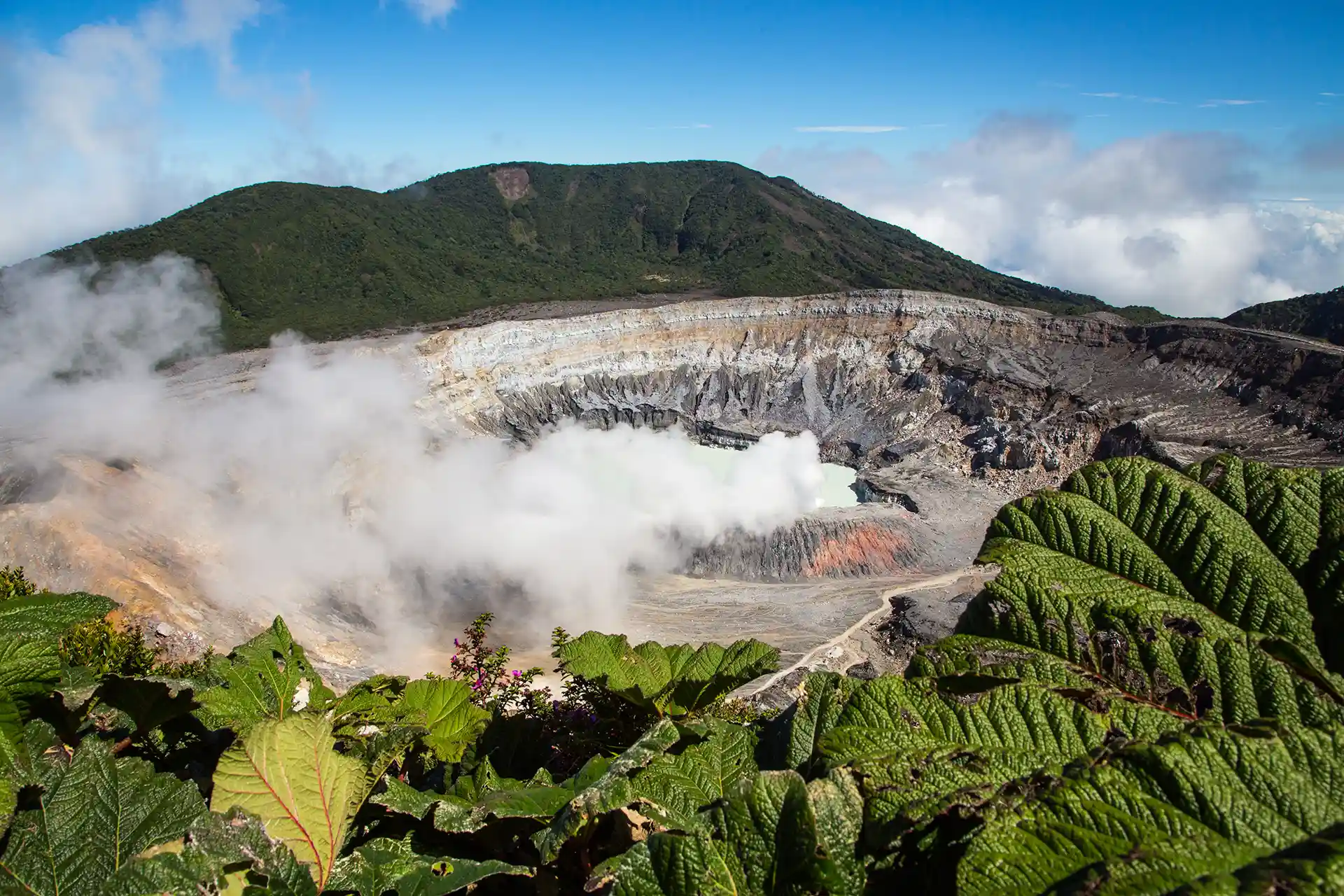
Another must-visit volcano is Poás Volcano, which boasts one of the largest active craters in the world. The breathtaking view from the edge of the crater is an unforgettable sight. The surrounding national park is Costa Rica´s most popular, drawing over 300,000 visitors anually,much due to its proximity to San José — just 45 km (28 miles). The park offers hiking trails that wind through cloud forests, leading to stunning viewpoints and diverse ecosystems.
The volcanoes of Costa Ricay provide a thrilling backdrop for a range of adrenaline-pumping adventures that will leave adventure seekers in awe. From exhilarating hikes to breathtaking views, there is no shortage of activities to enjoy at Costa Rica’s volcanic sites.
One of the top activities for adventurers is hiking along the trails that wind through the volcanic landscapes. Ascending the slopes of a volcano allows you to witness the raw power and beauty of these natural wonders up close. The rewarding views from the summit, overlooking vast expanses of lush greenery or peering into the depths of a volcanic crater, are nothing short of awe-inspiring. The challenging yet fulfilling experience of hiking a volcano in Costa Rica is an adventure that every outdoor enthusiast should embark upon.
For those seeking a different perspective, zip-lining across the volcanic forests is an exhilarating option. Suspended high above the treetops, you can soar through the air and marvel at the panoramic views of the surrounding volcanoes and the diverse Costa Rican landscapes.
The adrenaline rush and the unique vantage point make zip-lining an unforgettable experience that combines adventure and natural beauty.
Another activity that offers a captivating blend of adventure and relaxation is indulging in the soothing thermal baths and hot springs that are often found near volcanic areas. These natural hot springs are fed by geothermal activity, creating warm and mineral-rich pools where you can soak and unwind while taking in the stunning vistas. It’s the perfect way to rejuvenate after a day of exploration and immerse yourself in the tranquil ambiance of the volcanic surroundings.
For those with a passion for photography, capturing the beauty of Costa Rica’s volcanoes is an adventure in itself. The ever-changing light, dramatic landscapes, and unique geological formations provide endless opportunities for capturing stunning images. From sunrise and sunset views to the interplay of clouds and volcanic peaks, the photography possibilities are boundless. Whether you’re a professional or an amateur photographer, Costa Rica’s volcanoes offer an incredible canvas to unleash your creativity and capture moments of natural grandeur.
Costa Rica’s Volcanic History is a fascinating tale of fire and earth, spanning millions of years. This small Central American country is home to over 200 volcanic formations, with five active volcanoes that draw adventurers from all corners of the globe.
The geological story begins with the formation of Costa Rica itself, as tectonic plates collided and shaped the land we see today. The country sits along the Pacific Ring of Fire, a region known for its seismic activity and volcanic eruptions. Over time, these powerful forces have sculpted an awe-inspiring landscape dotted with majestic peaks. One of the most renowned volcanoes in Costa Rica is Arenal Volcano. Its last major eruption occurred in 2010, leaving a lasting impact on the surrounding region. This event served as a stark reminder of the dynamic nature of these volcanoes and the powerful forces at work beneath the Earth’s surface.
Another notable date in Costa Rica’s volcanic history is the eruption of Poás Volcano in 1910. This eruption marked a significant event, shaping the landscape and leaving behind a stunning crater lake that is now a focal point of the Poás Volcano National Park. Visitors can marvel at the turquoise waters and steam vents, offering a captivating glimpse into the volcano’s powerful past.
Costa Rica’s volcanic history is a continuous process of creation and transformation. The volcanic activity has not only shaped the physical features of the country but also contributed to its incredible biodiversity. Volcanic soil enriches the land, creating fertile grounds for lush rainforests to thrive, supporting a wide array of flora and fauna.
The volcanoes of Costa Rica are not only magnificent geological formations but also serve as focal points for diverse ecosystems that thrive in their surroundings. These ecosystems are a testament to the resilience of life and the interconnectedness of nature.
Each volcano in Costa Rica boasts its own unique ecosystem, offering visitors a glimpse into the remarkable biodiversity that flourishes amidst volcanic landscapes.
As you explore the volcanoes, you’ll encounter a rich tapestry of plant and animal life. The lush rainforests surrounding these volcanoes are home to an incredible variety of species, including numerous birds, mammals, reptiles, and insects. Colorful toucans and vibrant hummingbirds dart through the forest canopy, while howler monkeys swing from tree to tree, filling the air with their distinctive calls.
In the vicinity of the volcanoes, you may also come across fascinating creatures such as sloths, known for their slow and deliberate movements. These arboreal mammals are well adapted to the dense vegetation and can often be spotted high in the trees, peacefully grazing on leaves.
Another iconic resident of these volcanic ecosystems is the resplendent quetzal, a stunning bird with vibrant plumage and an elegant tail. The quetzal is highly regarded in Costa Rican culture and is considered a symbol of beauty and freedom. Spotting this magnificent bird in its natural habitat is a true delight and a cherished moment for wildlife enthusiasts.
The volcanic landscapes of Costa Rica also provide ideal conditions for amphibians, including the brightly colored poison dart frogs. These tiny but vibrant creatures, with their distinct patterns and vivid hues, add a touch of wonder to the forest floor. While their vibrant colors serve as a warning to potential predators, they are also a visual spectacle for visitors fortunate enough to encounter them.
Yes, Costa Rica has several active volcanoes, including Arenal, Poás, Rincon de la Vieja, Turrialba, and Irazú.
The volcanoes in Costa Rica are generally safe to visit, but it’s important to follow any safety guidelines and instructions provided by authorities.
Some volcanoes in Costa Rica offer hiking opportunities, but access to certain areas may be restricted depending on the volcanic activity. Check with local authorities and park rangers for up-to-date information.
Yes, there are guided tours available that offer visits to the volcanoes in Costa Rica. These tours often provide valuable insights and ensure your safety during the exploration. Contact us and we’ll be happy to help.
Yes, there are usually entry fees to visit the national parks or protected areas where the volcanoes are located. The fees contribute to the maintenance and conservation of these natural sites.
Yes, some volcanoes are located within a reasonable distance from major cities like San Jose, making it possible to visit them as day trips. Contact us and we’ll be happy to help with this.
Drone usage near volcanoes in Costa Rica is typically regulated, and there may be restrictions in place for safety and environmental reasons. Check with local authorities for specific guidelines.
Volcanic eruptions are relatively rare. Since the volcanoes are located in protected areas or national parks, the risk of causing harm to people is relatively low. It is advisable to prioritize safety and follow instructions from authorities in such situations.